Signatory Font: A Thin Lettered Script Typeface for Digital Elegance
Signatory for Wedding Invitations and Elegant Branding
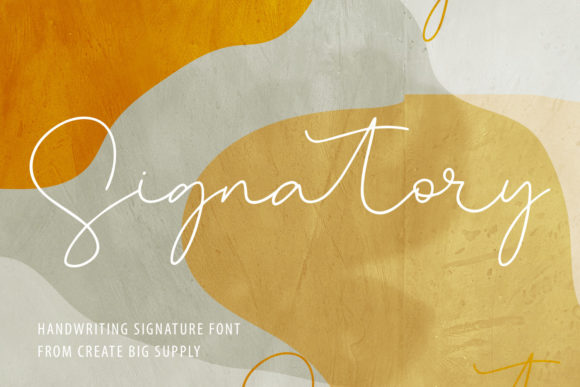
Signatory is a thin lettered and graceful script font that brings refined elegance to digital wedding branding — from invitation microsites and RSVP landing pages to email headers and social media countdown graphics. As a Script Handwritten typeface, Signatory performs best where personality and emotional resonance matter most: hero section headlines, “RSVP Now” CTAs overlaid on soft-focus imagery, and animated SVG text in embedded video invites. Its delicate stroke contrast and subtle terminal flourishes communicate sophistication without sacrificing clarity at 36–60px sizes on desktop and 28–42px on mobile. For boutique wedding planners or luxury stationery brands, Signatory anchors a cohesive online identity — pairing cleanly with neutral sans serifs like Inter or Manrope for body copy, ensuring readability while preserving tonal warmth.
Signatory for Stationery Art and Branded Web Content
When you use Signatory as a Fonts asset for digital stationery art — think downloadable quote cards, printable mood boards, or branded Notion templates — its graceful rhythm supports visual hierarchy without competing with layout structure. Unlike heavier script fonts, Signatory’s light weight avoids visual fatigue in scrollable content sections or grid-based portfolio displays. It shines in decorative accents: small caps initials in blog post headers, hand-drawn-style dividers in email newsletters, or monogrammed SVG badges on product pages. Because it’s designed as a true Script Handwritten typeface (not an outline-heavy brush font), it renders crisply across browsers and scales predictably in CSS font-size and line-height declarations — critical when building responsive stationery kits for creative entrepreneurs.
Signatory for Social Media Posts and Conversion-Focused Banners
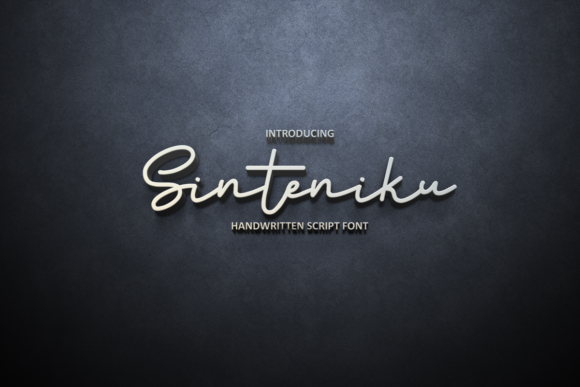
Signatory is a thin lettered and graceful script font engineered for high-impact, low-text social assets: Instagram story banners, Pinterest quote pins, and TikTok caption overlays. Its ravishing style grabs attention in under two seconds — ideal for conversion-focused banners promoting limited-time offers, course launches, or digital downloads. On dark backgrounds, pair Signatory with a light fill and subtle text-shadow for legibility; on light or image-based overlays, use a semi-transparent white backdrop behind short phrases (“You’re Invited”, “Join the Waitlist”) to maintain contrast. Avoid using Signatory for full paragraphs or small captions (<16px) — it’s a display font first. Reserve it for 3–7 word statements where tone and memorability drive engagement. As a commercial Fonts license, it covers usage in Canva templates, Figma design systems, and exported PNG/SVG assets for client-facing social campaigns.
How Signatory Supports Visual Hierarchy on Landing Pages
On high-converting landing pages, Signatory works powerfully as a secondary headline font — not the primary H1, but the emotionally charged subheader beneath it. Example: a clean sans serif H1 (“Design Your Dream Website”) + Signatory subhead (“crafted with care, just for you”). This pairing leverages typographic contrast to guide the eye, reinforce brand voice (warm, personal, artisanal), and increase perceived value. Test it in hero sections above sticky CTAs, feature section titles (“What You’ll Receive”), and testimonial pull quotes. Its thin lettered construction ensures tight tracking doesn’t collapse on narrow mobile viewports — just adjust letter-spacing to 1–2px for optimal rhythm.
Signatory for Online Store Banners and Boutique Identity
For Shopify, BigCommerce, or WooCommerce stores selling handmade goods, curated apparel, or luxury home goods, Signatory is a thin lettered and graceful script font that elevates banner typography beyond generic cursive options. Use it sparingly: on seasonal sale banners (“Spring Edit • 20% Off”), new collection headers, or “Handmade With Love” tags beside product thumbnails. Because it’s a Script Handwritten typeface with consistent baseline alignment and open counters, it remains legible even when placed over textured photography or gradient overlays. Always serve it via webfont-ready formats (WOFF2 preferred) and include fallbacks — never rely solely on system fonts. Licensing covers storefront use, email marketing headers, and digital ads — confirm your plan includes web embedding and commercial redistribution if reselling branded templates.
Font Pairing Strategies with Signatory for UI Design
In UI design and digital product interfaces, Signatory functions best as a display font — never for navigation labels, form fields, or button copy. Pair it intentionally: use it for logo lockups, empty state illustrations (“Nothing here yet — start creating!”), or onboarding step headers. Complement it with highly legible sans serifs (Inter, IBM Plex Sans) for interface text and body copy. For editorial SaaS dashboards or creative course platforms, try pairing Signatory with a warm serif (Cormorant Garamond, Playfair Display) for headings and a neutral sans for UI elements — this balances elegance with function. All Signatory Fonts packages include standard OpenType features: ligatures, contextual alternates, and stylistic sets — enabling subtle variation in repeated use without visual repetition.
Signatory for Mobile-First Digital Experiences
Signatory is a thin lettered and graceful script font that adapts well to mobile-first layouts — provided you respect its role. Use it only above 24px on iOS and Android, avoid all-caps rendering (it loses flow), and test contrast ratios against background colors using browser dev tools. On dark mode interfaces, apply color: #f9f5f0 with text-shadow: 0 1px 2px rgba(0,0,0,0.2) for depth and legibility. Never embed Signatory in SVG icons or icon fonts — it’s a text-rendered Script Handwritten typeface, optimized for DOM text nodes and CSS @font-face. For app screens or PWAs, preload the WOFF2 file and set font-display: swap to prevent invisible text during load. As a premium Fonts asset, it delivers consistent rendering across Chrome, Safari, Firefox, and Edge — no fallback surprises.